2026-11-02 ·
What Not to Flush Down a Septic System in Nacogdoches
# What Not to Flush Down a Septic System in Nacogdoches
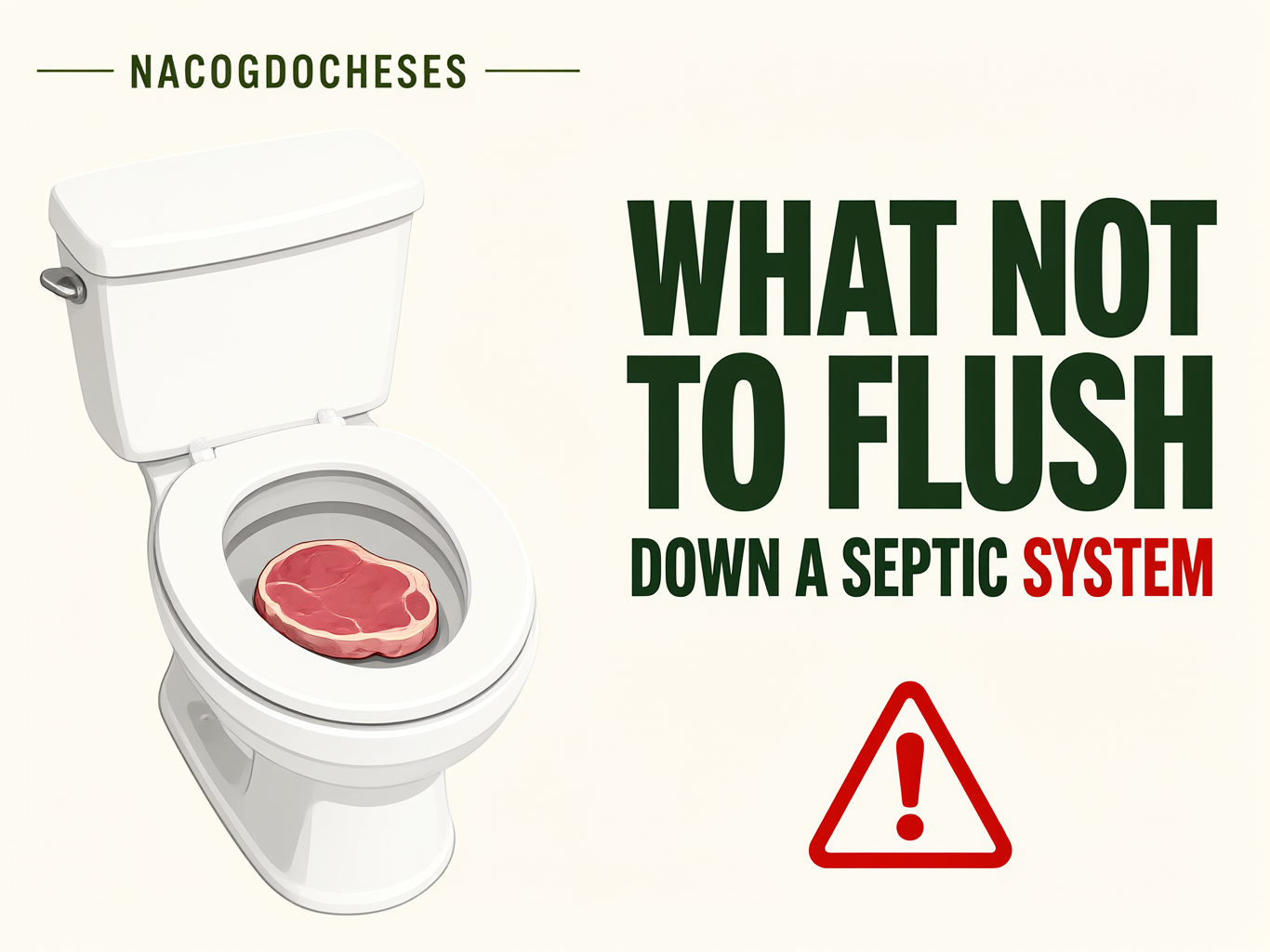
You should never flush anything besides human waste and toilet paper down a Nacogdoches septic system—no wipes, no grease, no medications, no cat litter, and no harsh chemicals. Even products labeled “flushable” can snag in a 2-inch pipe or overload a 1,000-gallon tank, creating backups that can require professional clearing. In Nacogdoches County, clay-heavy soil and hot humid summers push bacterial breakdown to the edge, so one bad flush can stress a drain field for weeks. Homes in Downtown Nacogdoches near Stephen F. Austin State University or in University Heights often rely on older septic setups that tolerate even less abuse. When in doubt, keep it out of the toilet.
What “Flushable” Really Means for Your Septic Tank
Manufacturers often stamp “flushable” on wipes, but that label only means the item will disappear down a 2-inch pipe—not that it will break down inside your tank. Unlike toilet paper, which disintegrates in minutes, “flushable” wipes, paper towels, and feminine hygiene products can survive for months, tangling with solids and forming dense clogs. In a household near Stephen F. Austin State University, where students and renters may not know how a septic tank works, these items pile up fast. A clogged inlet baffle forces raw sewage back into showers and toilets, and clearing it usually requires professional septic tank pumping. If you see slow drainage after flushing anything besides waste and paper, stop using that fixture and call for an inspection before the blockage reaches the drain field.
Household Items That Belong in the Trash, Not the Toilet
Medications, paint, pesticides, and harsh drain cleaners kill the bacteria that digest waste in your tank. Without those microbes, solids accumulate twice as fast and can push untreated effluent into the soil. Cat litter—even the “flushable” kind—absorbs water and expands, blocking pipes and filling the tank with non-biodegradable clay. Diapers, cotton balls, dental floss, and condoms do not decompose and often catch on roots or baffles. In older neighborhoods like Afton Grove, where some systems have been in place for 20–30 years, these foreign objects can collapse a weakened line or crack a concrete lid. Toss them in the trash instead. A single quart of cooking oil or a handful of pills may seem harmless, but repeated flushes turn a manageable tank into a major repair project.
Kitchen Grease and Food Waste: A Nacogdoches Drain Field Killer
Grease is liquid when hot but solidifies as it cools, coating the inside of your septic line like cholesterol in an artery. Coffee grounds, eggshells, and starchy pasta do not break down in a tank; they sink to the bottom and raise the sludge level. When the sludge layer gets too thick, solids flow into the drain field and clog the soil pores. Nacogdoches homes with garbage disposals face extra risk because food scraps add volume that a standard tank was not designed to handle. Scrape plates into the trash, wipe pans with a paper towel before washing, and never pour oil down the sink. If your kitchen drain already smells sour or backs up when the dishwasher runs, schedule septic tank cleaning before the blockage reaches the field.
How Nacogdoches Weather and Soil Affect Septic Health
Nacogdoches County sees hot humid summers and mild winters, which means soil stays warm enough for bacterial activity most of the year but can also stay saturated after spring rains. Clay-heavy ground around Oak Grove Cemetery and Millard's Crossing Historic Village drains slowly, so a flooded drain field has nowhere to go. During a humid July, household water use spikes with showers and laundry, adding hundreds of gallons to a tank already working overtime. Nearby areas like Lufkin and Hudson share similar soil conditions, but Nacogdoches’ mix of older homes and newer construction near University Heights creates uneven system ages. If your yard stays soggy for days after a storm, the drain field may be overwhelmed. Conserving water during wet periods helps prevent breakthrough.
Warning Signs Your Septic System Is Struggling
Slow drains throughout the house, gurgling sounds from the toilet, and sewage odors near the tank lid are early warnings. Standing water or lush green grass over the drain field in dry weather often means effluent is surfacing instead of soaking in. If sewage backs up into the lowest drain—usually a basement shower or first-floor toilet—stop using water immediately and call for emergency septic service. In Downtown Nacogdoches, where homes sit close together, a failing tank can affect neighbors if waste seeps toward shared property lines. Do not ignore a high water alarm on an aerobic system, either; it signals a pump or float failure that needs prompt attention. Catching these signs early can mean the difference between a simple pump-out and a full drain field replacement. For more detail, read Signs Your Septic Tank Needs Pumping in Nacogdoches.
When to Call a Professional and What to Expect
Do not try to open a septic tank lid yourself; the gases inside are dangerous and the lid can weigh 50–80 pounds. A technician will locate the tank, check sludge and scum levels, inspect baffles, and test the drain field. If the tank is full, they will pump it out and advise on repairs. We’re based in Nacogdoches, TX, and we handle everything from riser and lid repairs to full septic system replacement. If roots have invaded the line, jetting and root removal can clear the path without digging up your yard. For aerobic systems, a failed aerator or alarm needs immediate repair to keep the treatment process running. Schedule service before a backup happens, especially if your household has grown or you have added a water-heavy appliance.
Smart Maintenance Habits for Nacogdoches Homeowners
Pump your tank every 3–5 years depending on household size and tank capacity. A family of four in a 1,000-gallon tank usually needs service around the 3-year mark, while a couple in Afton Grove might stretch to 5 years. Fix leaky toilets and spread laundry across the week instead of running five loads on Saturday. Avoid antibacterial soaps in excess, and never use the toilet as a trash can. Keep a diagram of your tank location and avoid driving vehicles over the drain field. Regular inspections catch cracks in the concrete or a deteriorated baffle before they cause a backup. Pair routine pumping with an annual check of the pump, float, and alarm if you have an aerobic unit. These small habits extend the life of your system and keep your Nacogdoches property safe. To stay on schedule, see How Often Should You Pump a Septic Tank in Texas?.
Frequently Asked Questions
Are “flushable” wipes safe if they say septic-safe? No. They may pass through pipe but do not break down like toilet paper in a tank, so they can tangle with solids and clog baffles.
What should I do with old medications instead of flushing them? Use a drug take-back program or follow local disposal guidance. Flushing medications can harm the bacteria that digest waste in the tank.
Can a garbage disposal hurt a septic system? Yes, heavy use adds food solids that raise sludge levels faster. Scrape plates into trash and use the disposal sparingly.
What if I already flushed wipes or grease? Stop flushing them, watch for slow drains or gurgling, and schedule an inspection or pumping check before a blockage reaches the drain field.